Electricity Markets Explained: From Spot Prices to Frequency Reserves
A plain-language guide to the key terms used in talking about wholesale and frequency markets

When reading about electricity and flexibility markets, many people can feel left out of the dialogue — not because the ideas are difficult, but because the same technical terms appear again and again without explanation. Words like spot price, aFRR, mFRR, BRP, BSP, or BESS can make the system feel opaque. In reality, these terms describe clearly defined roles and concepts within the electricity system. This article focuses on simply explaining what those keywords mean, so we can start treating electricity not as a magical substance, but as an everyday commodity.
Most discussions start with the wholesale electricity market, where electricity is traded before it is used. In Northern Europe, the best-known wholesale electricity marketplace is Nord Pool. When people refer to the börsihind (exchange price), they are almost always referring specifically to the day-ahead price, which is agreed one day in advance for each hour of the following day. In addition to this, there is the intraday market, where electricity is traded closer to real time, allowing market participants to adjust their buy- or sell-positions as forecasts for production and consumption change.
Correcting positions is crucial because electricity systems work under one strict rule: electricity production and electricity consumption must always match. Unlike many other products, electricity cannot be stored directly in the grid in meaningful amounts. This means that at every moment, the amount of electricity being produced must be equal to the amount being consumed.
This balance is monitored through frequency. In Estonia and most of Europe, the electricity system operates at 50 hertz. When production and consumption are aligned, frequency stays close to this value. When they are not, frequency deviates up or down, requiring corrective action.
These corrective actions are referred to as balancing: the process of correcting differences between planned and actual electricity production or consumption by increasing or decreasing power when the system requires it. Maintaining frequency through balancing is the responsibility of the transmission system operator, which in Estonia is Elering, and this is done using reserves — capacity kept available and ready to respond to deviations. The physical delivery of electricity to homes and businesses is handled separately by distribution network operators, the largest of which in Estonia is Elektrilevi, which operates local networks but does not manage frequency or balancing.
Reserves are procured on the Flexibility markets, where two are mentioned most often: aFRR and mFRR. aFRR (automatic Frequency Restoration Reserve) reacts automatically when frequency deviates from normal, with assets continuously adjusting their power up or down based on a system signal, while mFRR (manual Frequency Restoration Reserve) is activated manually and is typically used to address larger or longer-lasting imbalances. Both reserve types can be activated in two directions: up-regulation, which increases power to the grid by producing more electricity or consuming less, and down-regulation, which decreases power to the grid by producing less or consuming more, depending on whether the system has a shortage or surplus of electricity. The flexibility markets further separate into a capacity market, which pays for being available and ready to respond, and an energy market, which pays for the electricity actually delivered or absorbed when regulation is needed.
Several roles in flexibility and wholesale markets are important to understand. A Balance Responsible Party (BRP) is responsible for ensuring that its planned electricity production or consumption matches reality. If it does not, the BRP is financially responsible for the imbalance. Electricity suppliers and large producers typically act as BRPs.
A Balancing Service Provider (BSP) is an entity that provides flexibility to the system. BSPs offer services such as aFRR or mFRR and respond when they are activated. While a BRP is responsible for balance, a BSP provides the tools used to restore it.
Many BSPs do not rely on a single large asset. Instead, they act as aggregators, combining many smaller flexible resources—such as batteries, industrial loads, or electric vehicle chargers—into one portfolio that can participate in the market.
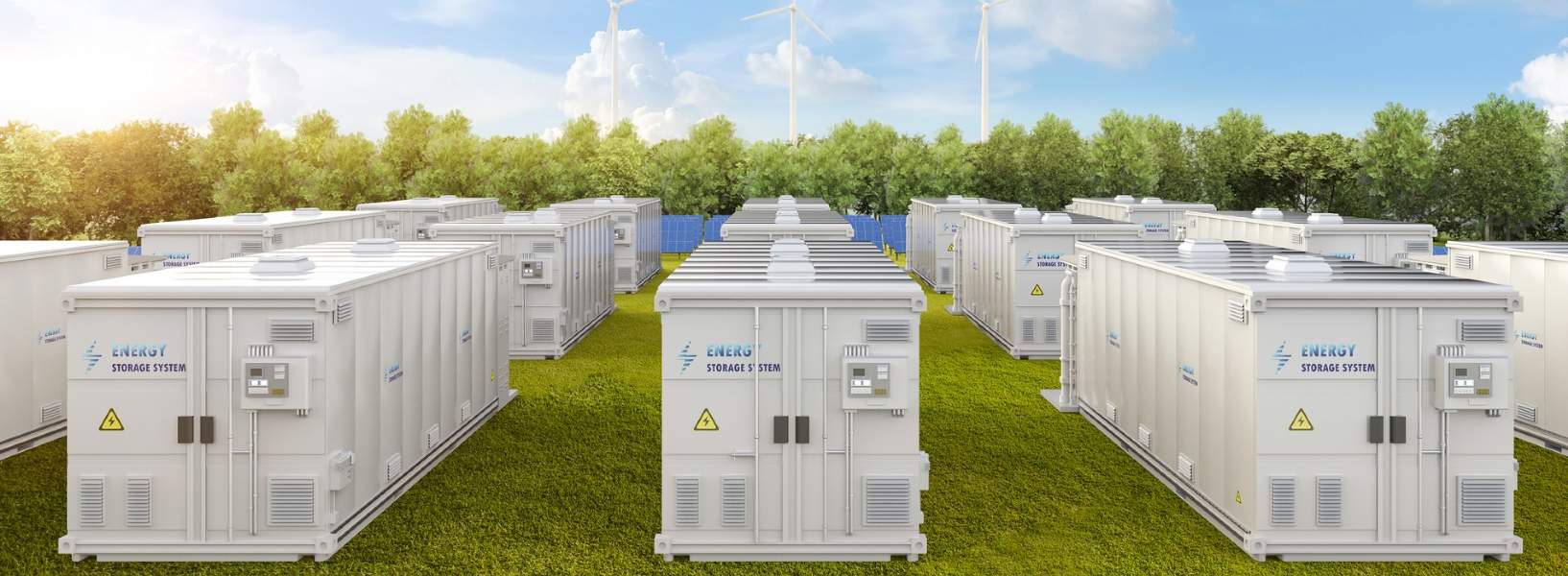
One increasingly important flexible asset is BESS, short for Battery Energy Storage System. A BESS can both consume and supply electricity, respond extremely quickly, and be controlled very precisely. Because of these characteristics, battery systems are especially well suited for providing flexibility and reserve services.
Together, these terms form the basic vocabulary of wholesale and flexibility markets. They describe prices, responsibilities, assets, and services that help keep the electricity system reliable. You can read more about how the flexibility markets actually work at Flexibility markets.
Date
01/15/2026
Latest Articles
How Can We Reach Cheap Electricity in Estonia?
Simply building new solar and wind parks is not the answer
How Much Can You Really Earn with a Battery on Estonia’s Flexibility Markets?
A real-world case study of the economics of a 1 MW / 2 MWh BESS project on the mFRR market in Estonia