How Can We Reach Cheap Electricity in Estonia?
Simply building new solar and wind parks is not the answer
Everyone wants cheap electricity. Consumers expect low bills, industry needs stable and competitive prices, and governments are looking for ways to ensure energy security without relying on fossil fuels. From the perspective of physics and economics, the conclusion is straightforward: in the long run, cheap electricity can only be produced from cheap energy sources. Wind and solar are unique in this respect – their “fuel” is free, and the technology is becoming more efficient every year. For this reason, renewable energy is the only realistic foundation for permanently cheap electricity.
At the same time, it is misleading to think that the solution is simply to build more wind and solar parks. The electricity system is not an infinitely expandable container into which generation can be added without constraints. Every new renewable project affects market prices, grid loading, and the profitability of existing assets. If renewables are built without taking the system logic into account, the outcome can be the opposite of what was intended: prices become volatile, investments become uncertain, and cheap electricity fails to reach consumers.
One of the central phenomena is price cannibalisation. Because wind and solar parks often generate electricity at the same hours, the market is suddenly flooded with very cheap power. Wholesale prices fall, and paradoxically the very producers whose goal was to deliver low-cost energy are the ones that suffer. The more successful the rollout of renewables, the less revenue each individual park earns for its output. This is not a problem of individual projects, but a structural consequence of the market design itself.
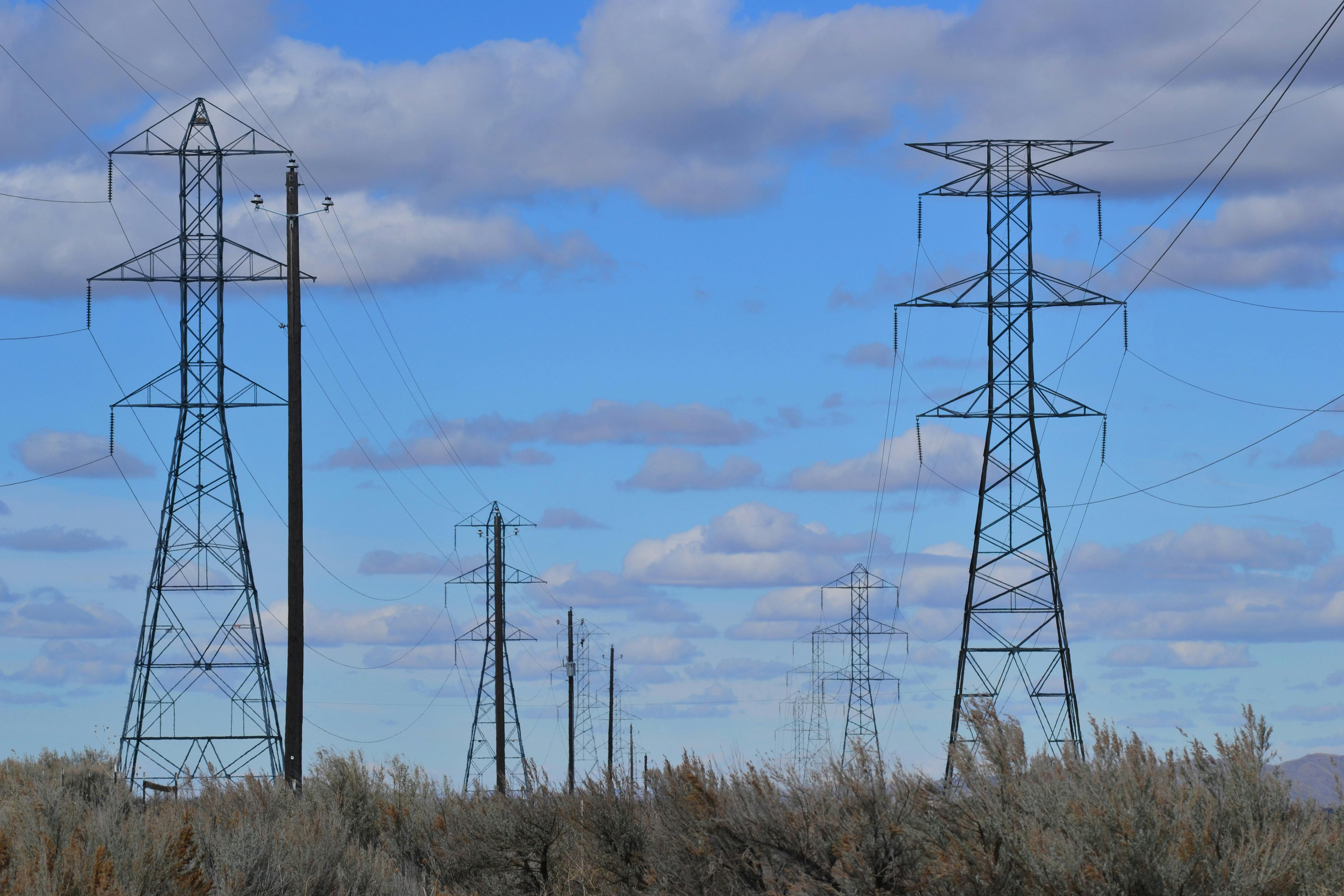
Another critical barrier is the physical limitation of the electricity grid. Much of the new renewable generation is built in regions with little local demand, while the existing grid is already operating at or near its capacity. As a result, connecting new projects can take months, if not years, and cost millions. The greatest inefficiency lies in how grid connections are dimensioned: they are designed under the assumption that a plant will operate at 100% of its capacity at all times. In reality, this expensive resource remains unused for most of the year. It is like building a highway on which only one car is allowed to drive. As a result, physical infrastructure has become one of the main bottlenecks preventing cheap renewable electricity from reaching consumers’ sockets.
All of this is compounded by long and complex permitting processes. Even when the technology and capital are available, it can take years for new generation or grid connections to become operational due to permitting, environmental assessments, and local opposition. The energy system is evolving faster than the regulatory framework can adapt.
Batteries are often seen as the solution that could eliminate these bottlenecks. Energy storage can better align generation and consumption over time, ease grid congestion, and reduce price volatility. However, batteries are not a silver bullet. Standalone battery projects are particularly difficult to develop, as they face the same lengthy permitting and grid connection challenges as generation assets.
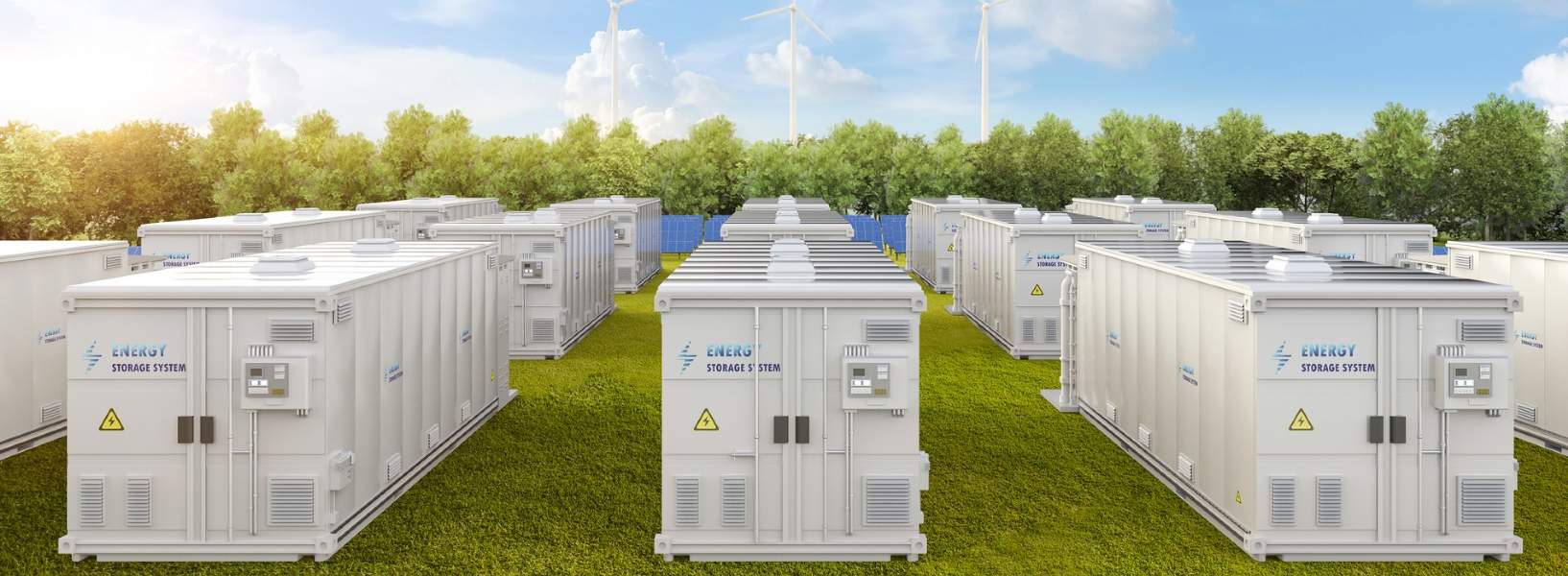
This is where co-location – combining renewable generation and storage into a single hybrid project behind one grid connection point – becomes critical. This is not merely a technical optimisation, but a systemic response to today’s challenges. Storage allows producers to decide when and how electricity is delivered to the market, reducing the impact of price cannibalisation. At the same time, it helps keep grid loading under control and accelerates development by making more efficient use of existing infrastructure.
In practice, flexibility has become almost the only way for many existing renewable parks to remain competitive and financially viable. Simply selling electricity into the spot market no longer covers risks and costs, making revenue maximisation through flexibility essential. A solar park, which is typically a passive asset during winter, can gain a new lease of life through a hybrid setup. With demand for frequency reserves having grown explosively in 2025, adding batteries to existing parks allows owners to lease out their grid connection and land, generating revenue even when panels are covered in snow. In this way, renewable parks are no longer just electricity producers, but active and indispensable components of the entire power system’s balancing.
In conclusion, the question is not whether renewable energy is needed – that is inevitable. The real question is how to integrate it into the system in a way that ensures cheap electricity actually reaches end consumers. Hybrid projects, storage solutions, and valuing flexibility are no longer future concepts, but essential steps if renewable energy is to fulfil its promise of delivering affordable, climate-friendly, and sustainable electricity.
Date
01/28/2026
Latest Articles
How Much Can You Really Earn with a Battery on Estonia’s Flexibility Markets?
A real-world case study of the economics of a 1 MW / 2 MWh BESS project on the mFRR market in Estonia

Electricity Markets Explained: From Spot Prices to Frequency Reserves
A plain-language guide to the key terms used in talking about wholesale and frequency markets