In 2026, building Battery Energy Storage in Estonia is getting even more profitable
Starting in 2026, national charges and grid fees for Battery Energy Storage will be calculated only on net consumption.
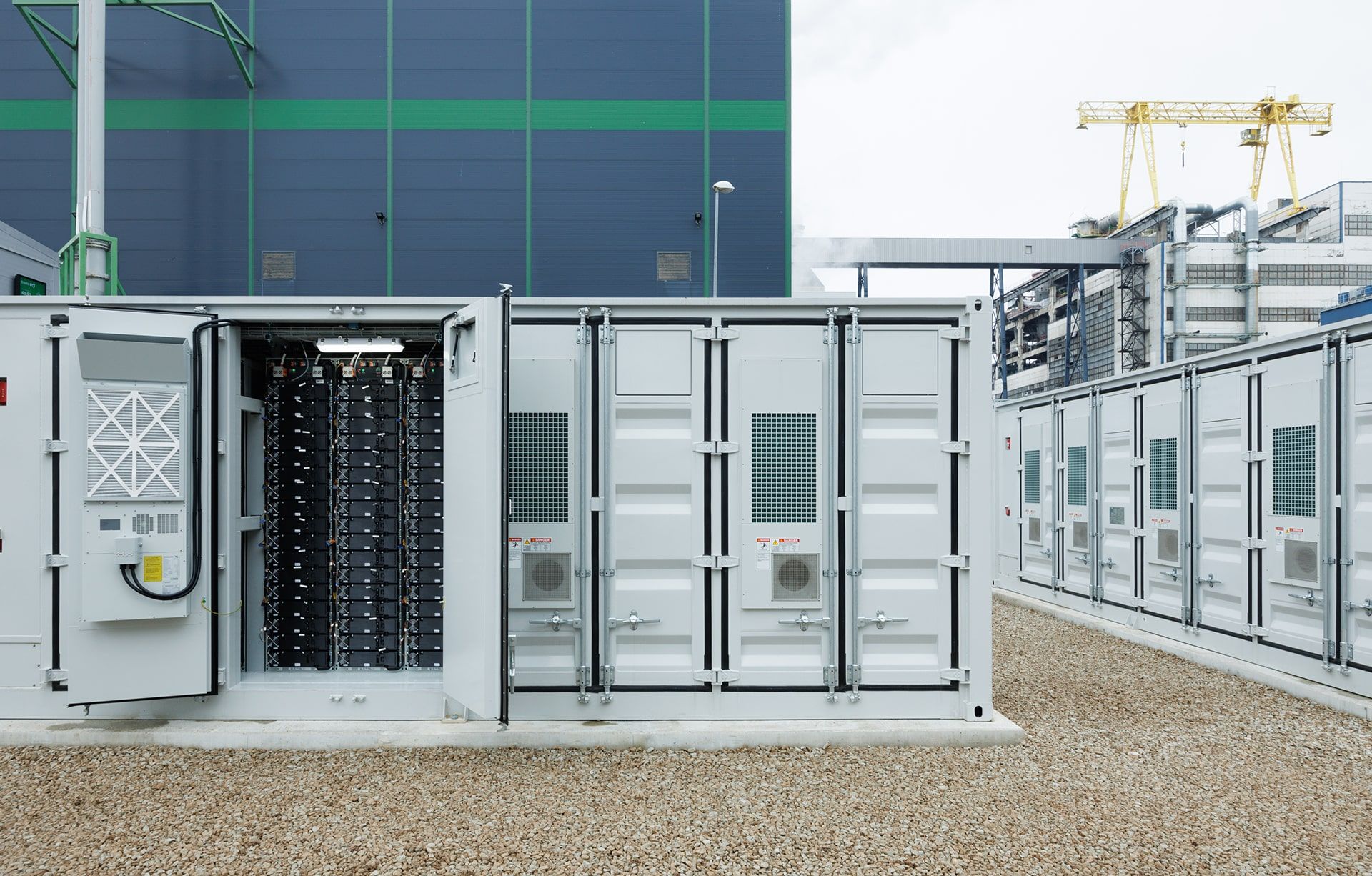
Much has been said about flexibility in the electricity system, yet storage technologies have so far been treated more as costly exceptions than as an integral part of the system. From 2026, Estonia will take an important step forward in changing this understanding. An amendment to the Electricity Market Act introduces a clearer and fairer regulatory framework for energy storage, under which both grid fees and renewable energy charges will be calculated solely on the basis of net consumption. This makes battery storage and other storage solutions significantly more economically viable and accelerates their deployment.
Under the previous system, storage devices were treated as both consumers and producers, which meant fees had to be paid on both inbound and outbound electricity flows. This did not reflect the true role of storage in the electricity system, where the purpose is not energy consumption, but balancing production and consumption over time. The new net-based accounting framework creates a clearer and more favourable environment for the development of storage facilities.
With these new rules, owners of storage systems will no longer have to pay fees on all electricity that flows through the system during charging and discharging. Grid fees and renewable energy charges will apply only to the amount of energy that is the final consumption in the system — called net consumption. This means that electricity temporarily taken from the grid and later fed back will no longer incur double charges.
Under the previous system, storage devices were treated as both consumers and producers, which meant fees had to be paid on both inbound and outbound electricity flows. This did not reflect the true role of storage in the electricity system, where the purpose is not energy consumption, but balancing production and consumption over time. The new net-based accounting framework creates a clearer and more favourable environment for the development of storage facilities.
The economic impact of the change is particularly significant for large-scale battery storage systems. When both grid fees and renewable energy charges are calculated only on net consumption, annual costs can decrease substantially.
In the case of a 100-megawatt storage facility, the new change can result in annual savings of more than €3 million. For a standard, front-of-the-meter 1 MW / 2 MWh industrial battery, annual savings can reach €30,000, increasing profit up to 40%.
This improves investment certainty and makes storage projects more competitive at a time when the share of renewable energy in the electricity system is rapidly increasing, further amplifying the need for large-scale storage capacity.
This legislative amendment is part of a broader modernisation of the electricity market, aimed at supporting the development of energy storage and demand-response while reducing price volatility. A clearer fee structure enables storage systems to fulfil their true role: ensuring system stability, supporting the integration of renewable energy, and making the electricity system more flexible and resilient. Estonia’s proactive thinking is a sure sign to other countries to reevaluate their regulative frameworks for increasing their support of the energy transition.
Read more on Elektrilevi’s website: Elektrilevi.ee
Date
01/08/2026
Latest Articles
How Can We Reach Cheap Electricity in Estonia?
Simply building new solar and wind parks is not the answer
How Much Can You Really Earn with a Battery on Estonia’s Flexibility Markets?
A real-world case study of the economics of a 1 MW / 2 MWh BESS project on the mFRR market in Estonia